





Introduction
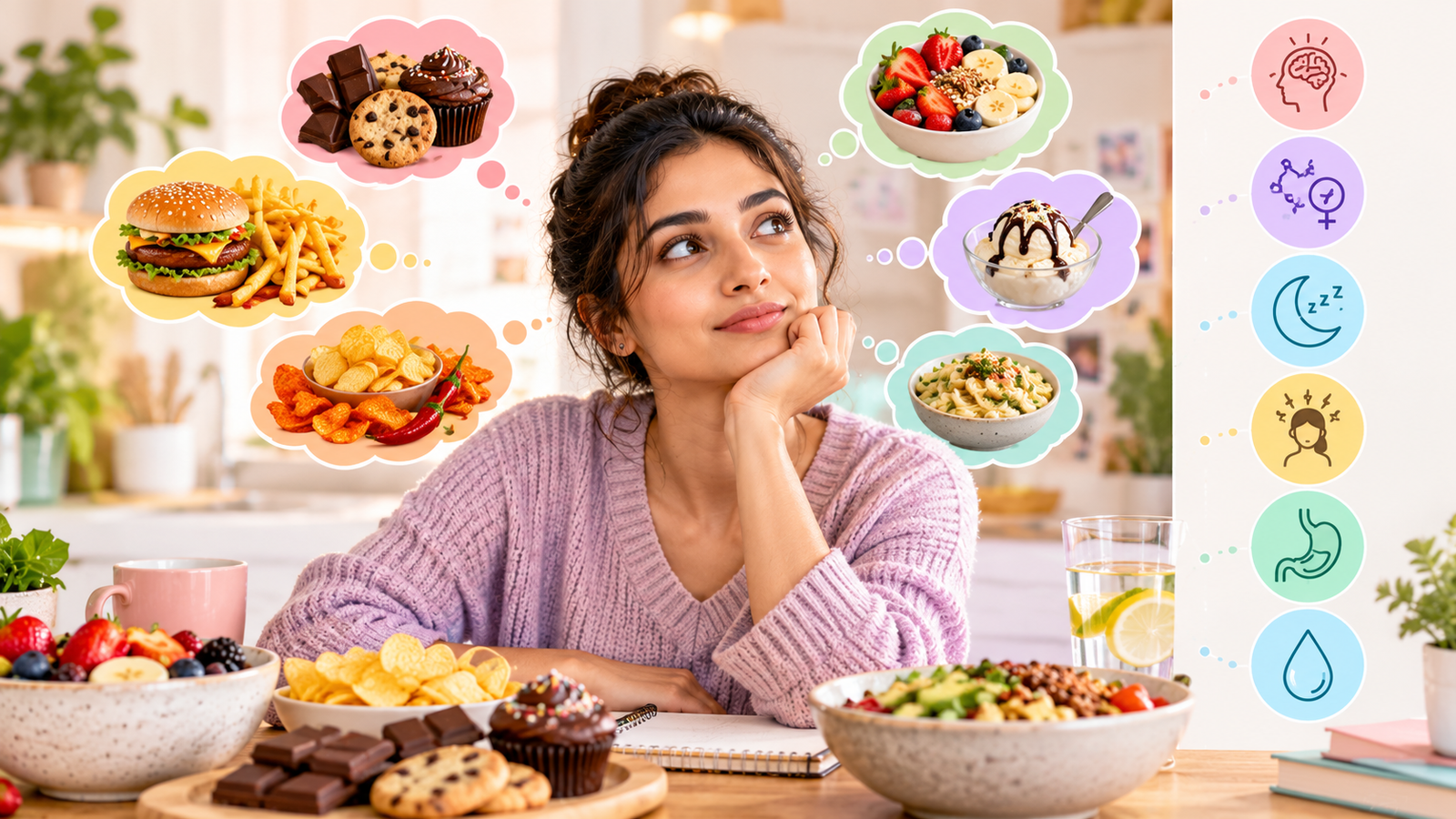
Food cravings are a common experience that can affect people of all ages. You may suddenly want something sweet after lunch, feel an irresistible urge to eat salty snacks in the evening, or crave chocolate when you are stressed. Sometimes, these cravings appear even when you are not physically hungry. At other times, they may occur after a long day, a poor night’s sleep, or an extended period without eating.
Although food cravings are often associated with a lack of willpower, they are much more complicated than that. They can be influenced by several factors, including hormones, emotions, eating habits, sleep patterns, environmental cues, and the body’s energy needs. Understanding these influences can help you respond to cravings more effectively without feeling guilty about what you eat.
Food cravings are not necessarily harmful. Enjoying a particular food is a normal part of eating, and occasionally satisfying a craving can fit into a balanced diet. However, frequent or intense cravings may sometimes reflect an irregular eating schedule, emotional stress, restrictive eating habits, or other factors that deserve attention.
In this article, we will explore what food cravings are, why they happen, the common triggers behind them, and practical ways to manage them while maintaining a healthy relationship with food.
What Are Food Cravings?
Food cravings are strong desires to eat a specific food or type of food. They differ from general hunger because they are usually directed toward something particular.
For example, when you are hungry, you might be willing to eat rice, vegetables, eggs, fruit, or another available meal. When you experience a craving, however, you may want chocolate, pizza, potato chips, ice cream, or another specific item.
Cravings can involve different types of foods. Some people frequently crave sweet foods, while others prefer salty snacks, carbohydrate-rich meals, or foods with a particular texture.
There are two important concepts to understand when discussing food cravings.
Physical hunger: Physical hunger develops when your body needs energy and nutrients. It may gradually increase and can be accompanied by signs such as an empty stomach, reduced energy, difficulty concentrating, or irritability.
Food cravings: Cravings often involve a strong desire for a particular food. They may appear even after you have eaten enough, particularly when emotions, habits, memories, or environmental cues influence your appetite.
These experiences can overlap. A person who has skipped breakfast and lunch may experience both physical hunger and a craving for a particular food.
Recognizing the difference can help you better understand what your body may need. However, there is no need to classify every eating experience perfectly. Hunger, appetite, satisfaction, and cravings naturally interact.
1. Blood Sugar Changes and Food Cravings
Changes in blood glucose levels may influence hunger, energy, and the desire to eat. Glucose is an important source of energy for the body, and carbohydrates from foods such as bread, rice, fruit, and cereals contribute to the glucose available in the bloodstream.
After eating, blood glucose generally rises as carbohydrates are digested. Insulin helps the body use glucose and regulate blood sugar levels.
When meals are irregular or do not provide enough energy, some people may experience hunger, fatigue, irritability, or a desire for quick sources of energy.
Sweet foods and refined carbohydrate-rich snacks may seem particularly appealing in these situations because they are convenient and often provide readily available energy.
However, food cravings should not automatically be interpreted as evidence of low blood sugar. Cravings can occur for many reasons, and a desire for sweets does not necessarily indicate a blood glucose problem.
How can balanced meals help?
Meals containing a combination of carbohydrates, protein, fiber, and healthy fats can support fullness and provide a more sustained supply of energy.
For example, instead of eating only a sweet biscuit for breakfast, you might choose oatmeal with nuts and fruit, whole-grain toast with eggs, or yogurt with seeds and berries.
These combinations provide a broader range of nutrients and may help you remain satisfied between meals.
People with diabetes or those taking glucose-lowering medication should follow their healthcare professional’s advice about managing blood sugar and responding to symptoms.
2. Emotional Eating and Stress
Emotions are among the most common influences on eating behavior. Stress, sadness, loneliness, boredom, frustration, and anxiety can sometimes increase the desire for specific foods.
Many people turn to food because eating can provide temporary comfort or distraction. Foods that are sweet, salty, creamy, or rich in fat may feel especially satisfying because they offer enjoyable tastes and textures.
For example, someone who experiences pressure at work might repeatedly reach for chocolate during difficult afternoons. Another person may eat snacks while watching television because it provides a relaxing break from daily responsibilities.
Stress also affects the body’s physiological responses. Hormones and changes in sleep, appetite, and daily routines can influence how much a person wants to eat.
The relationship between stress and appetite is not identical for everyone. Some people eat more when stressed, while others lose interest in food.
How to respond to stress-related cravings
The first step is to notice the emotion that appears before the craving.
Ask yourself whether you are physically hungry, feeling overwhelmed, seeking comfort, or simply taking a break from a demanding task.
If you are hungry, eating a satisfying meal or snack is appropriate. If you are primarily seeking emotional relief, other activities may also help.
Consider taking a short walk, talking with a trusted friend, listening to music, practicing slow breathing, or stepping away from work for a few minutes.
These strategies do not mean you must avoid food whenever you experience emotions. Instead, they give you additional ways to care for yourself.
3. Lack of Sleep and Increased Appetite
Sleep plays an important role in regulating appetite, energy, mood, and decision-making.
When you regularly sleep less than you need, you may feel hungrier during the day or find it more difficult to resist highly appealing foods. Tiredness can also make preparing balanced meals feel more challenging, increasing the likelihood of choosing convenient snacks.
Research suggests that insufficient sleep can influence appetite-related hormones and brain systems involved in food reward. However, individual responses vary, and cravings are not caused by sleep deprivation alone.
Imagine going to bed late several nights in a row. The next afternoon, you might feel less energetic and more interested in sugary coffee, biscuits, chips, or other convenient foods.
These choices may feel appealing because they are easy to access and provide immediate enjoyment when you are tired.
Ways to support better sleep
- Maintain a consistent bedtime and wake-up time.
- Aim for approximately seven to nine hours of sleep each night if you are an adult.
- Reduce caffeine intake late in the day if it affects your sleep.
- Create a comfortable, quiet sleeping environment.
- Limit stimulating activities before bedtime.
- Avoid relying on sugary snacks to compensate for persistent tiredness.
Improving sleep will not eliminate every craving, but it may help support healthier appetite regulation and daily energy levels.
4. Restrictive Dieting and Skipping Meals
Strict dieting can sometimes increase food cravings rather than reduce them.
When people severely restrict calories, eliminate entire food groups without a medical reason, or repeatedly skip meals, their bodies may respond with stronger hunger and a greater interest in food.
Psychological factors can also contribute. When a food is labeled completely forbidden, it may become more appealing because eating it feels restricted or unusually rewarding.
For example, someone who decides never to eat chocolate may spend considerable time thinking about it. After several days of restriction, they may eventually eat a large amount and feel guilty afterward.
This pattern can create a cycle of restriction, craving, overeating, and renewed restriction.
Not everyone experiences this response, but overly rigid food rules can make eating more stressful for some individuals.
A more balanced approach
Rather than treating foods as strictly good or bad, focus on overall eating patterns.
Include nutritious foods regularly while allowing room for enjoyable foods in portions that satisfy you. If you enjoy bread, rice, pasta, chocolate, or dessert, these foods can often fit into a balanced diet.
Regular meals and adequate energy intake may also help reduce the intense hunger that can follow prolonged restriction.
If you frequently feel out of control around food or experience cycles of restrictive eating and overeating, a registered dietitian or qualified healthcare professional can help you develop a more sustainable approach.
5. Hormonal Changes and Food Cravings
Hormones influence hunger, fullness, energy use, and reproductive functions. Changes in hormone levels may therefore affect appetite and food preferences.
Two hormones commonly discussed in appetite regulation are ghrelin and leptin.
Ghrelin is involved in signaling hunger. Its levels can change in response to eating patterns, sleep, and other physiological factors.
Leptin is produced mainly by fat cells and helps communicate information about the body’s energy stores to the brain. Its effects are complex, and people with obesity may experience reduced sensitivity to its signals.
Hormonal changes associated with menstruation, pregnancy, menopause, and other life stages may also influence appetite and food preferences.
Some people report stronger cravings for chocolate, sweets, or carbohydrate-rich foods in the days before menstruation. Changes in mood, sleep, appetite, and energy requirements may contribute to these experiences.
Pregnancy can bring changes in food preferences, including cravings and aversions. However, cravings vary widely, and they do not reliably reveal which nutrients a person needs.
Similarly, menopause may coincide with changes in sleep, mood, body composition, and appetite, although these effects differ among individuals.
What should you do?
Pay attention to recurring patterns rather than assuming every craving is caused by a hormone imbalance.
Eating regularly, getting sufficient sleep, staying physically active, and managing stress may help support general well-being.
If cravings occur alongside persistent fatigue, major unexplained weight changes, menstrual irregularities, excessive thirst, or other concerning symptoms, consult a healthcare professional for appropriate assessment.
6. Nutrient Deficiencies: Do Cravings Reveal What the Body Needs?
A common belief is that craving a particular food means the body is deficient in a nutrient found in that food.
For example, people sometimes assume that chocolate cravings indicate magnesium deficiency or that cravings for salty foods mean the body needs more sodium.
These explanations are often oversimplified.
Although certain deficiencies can affect appetite or eating behavior, most everyday food cravings do not reliably identify a specific nutrient deficiency.
Chocolate cravings, for example, can be influenced by taste preferences, habit, emotions, and the rewarding nature of chocolate. They do not automatically indicate low magnesium levels.
Similarly, craving meat does not necessarily mean you have an iron deficiency.
Pica, a condition involving persistent consumption of non-food substances such as ice, clay, or paper, can sometimes be associated with iron deficiency or other medical conditions. It deserves medical assessment rather than self-treatment.
How to support nutritional adequacy
Aim for variety across the major food groups.
Include vegetables, fruits, whole grains, legumes, nuts, seeds, dairy products or suitable alternatives, and protein-rich foods such as eggs, fish, tofu, or lean meat according to your dietary preferences.
If you suspect a nutritional deficiency, a healthcare professional can evaluate your symptoms, diet, and medical history and recommend testing when appropriate.
Avoid taking high-dose supplements solely because you experience a particular craving.
7. Environmental Cues and Food Advertising
Food cravings are not always connected to physical hunger or emotional distress. Sometimes, they are triggered by things you see, smell, hear, or encounter throughout the day.
Imagine walking past a bakery and smelling freshly baked bread. Even if you recently ate, the smell may make you want a pastry.
Similarly, seeing an advertisement for a burger, watching a cooking video, or noticing a colleague eating chips may create a desire for the same food.
These responses can develop through learning and repeated associations. If you regularly eat popcorn while watching movies, for example, starting a movie may eventually trigger a desire for popcorn.
The surrounding environment can also influence food choices through availability and convenience.
If a bowl of sweets sits on your desk, you may eat them more frequently than if they are stored out of immediate sight. This does not mean you lack discipline; it illustrates how everyday cues can shape behavior.
Practical strategies
- Notice which environments repeatedly trigger cravings.
- Keep convenient, satisfying snacks available when you need them.
- Avoid keeping large quantities of foods you tend to eat automatically within immediate reach, if this helps you.
- Plan meals and snacks before long periods away from home.
- Reduce exposure to triggering cues when they cause distress or interfere with your goals.
The aim is not to avoid every appealing food. It is to make your environment support your intentions rather than constantly working against them.
8. Dehydration and Mistaking Thirst for Hunger
Thirst and hunger are different sensations, but they can occasionally be difficult to distinguish.
When you have not had enough fluids, you may notice fatigue, a dry mouth, difficulty concentrating, or a general sense of discomfort. These sensations can sometimes lead you to seek food, particularly if you are unsure what your body needs.
However, the idea that all hunger or food cravings are actually signs of dehydration is incorrect.
Food cravings can occur even when you are adequately hydrated, and drinking water will not necessarily eliminate them.
How to maintain hydration
Drink fluids regularly throughout the day, adjusting your intake for activity level, climate, health conditions, and individual needs.
Water is a useful everyday choice, while foods such as watermelon, oranges, cucumbers, and soups also contribute to fluid intake.
If you notice an urge to snack and are unsure whether you are thirsty, drinking some water and checking in with yourself may be helpful. If you remain hungry, eat.
People with medical conditions that require fluid restrictions should follow their healthcare professional’s advice.
9. Boredom and Habitual Snacking
Boredom can create a desire for stimulation, and food can become an easy way to fill empty moments.
This often happens during activities that require little attention, such as watching television, scrolling through social media, or sitting at a desk without a clear task.
Repeated behaviors can become habits. If you usually eat biscuits at 4 p.m., you might start craving them around that time even when you have eaten enough.
The brain learns to associate particular situations with rewards, making the behavior feel automatic.
Habitual snacking is not necessarily unhealthy. A planned afternoon snack may be useful if you are hungry or have a long gap between meals.
The important question is whether the behavior reflects your needs and preferences or happens automatically without providing satisfaction.
How to break an unwanted snacking habit
Start by identifying when and where it happens.
If you regularly snack because you are bored, consider taking a brief movement break, working on a hobby, organizing your surroundings, or contacting a friend.
If you are hungry, choose a snack that you genuinely enjoy and that helps you feel satisfied.
You can also try eating without distractions occasionally, paying attention to the taste, texture, and satisfaction you experience.
This approach can help you become more aware of your eating patterns without creating unnecessary food rules.
10. Why Do People Crave Sugar and Salty Foods?
Different foods appeal to people for different reasons. Taste, texture, memories, habits, and the brain’s reward systems can all contribute to cravings.
Sugar cravings
Sweet foods can be especially appealing because humans naturally respond to sweetness, and sugary foods often provide quick energy and enjoyable sensory experiences.
Sugar cravings may be influenced by inadequate meals, stress, insufficient sleep, restrictive dieting, or habits such as eating dessert after dinner.
They do not necessarily indicate a sugar addiction or nutrient deficiency.
If you frequently want something sweet, consider whether your meals are satisfying and whether you are getting enough rest.
Fruit, yogurt with berries, oatmeal, or a small portion of your preferred dessert may help satisfy your desire for sweetness.
You do not need to eliminate all sweet foods to maintain a healthy diet.
Salty food cravings
People may crave chips, salted nuts, crackers, or other savory foods because of their taste, texture, convenience, and association with relaxation or social activities.
Salt is essential for normal body function, but cravings for salty foods do not automatically mean that the body needs more sodium.
Frequent desires for salty snacks may reflect habit, food preferences, or the easy availability of highly palatable processed foods.
Choosing unsalted or lightly salted nuts, roasted chickpeas, homemade popcorn, or other satisfying snacks can provide alternatives when you want something crunchy.
However, there is no need to assume that every salty snack must be replaced. Overall dietary patterns and sodium intake matter more than any single food choice.
11. How to Manage Food Cravings Without Feeling Guilty
Managing cravings does not mean suppressing every desire to eat. A healthier approach involves understanding what may be driving the craving and choosing a response that supports your physical and emotional well-being.
Here are several practical strategies.
Eat Regular, Balanced Meals
Avoid going for long periods without eating if this makes you extremely hungry later.
Build meals around a combination of protein, fiber-rich carbohydrates, vegetables or fruits, and healthy fats.
For example, a meal containing lentils, rice, vegetables, and yogurt provides a mixture of nutrients and may be more satisfying than a small snack alone.
Include Enough Protein and Fiber
Protein and fiber can help support fullness.
Eggs, beans, lentils, fish, tofu, yogurt, whole grains, vegetables, fruits, nuts, and seeds can contribute to a satisfying eating pattern.
The right combination depends on your dietary preferences, budget, health needs, and activity level.
Get Sufficient Sleep
Establish a regular sleep routine and prioritize adequate rest.
When you are well-rested, you may find it easier to manage daily stress, plan meals, and make food choices that align with your preferences.
Identify Your Triggers
Consider keeping a simple food and mood journal for a few days.
You might record when a craving occurs, what you were doing, whether you felt hungry, and how you were feeling emotionally.
Look for patterns rather than judging individual choices.
For example, you may discover that cravings become stronger after skipping lunch or working late.
Practice Mindful Eating
Mindful eating involves paying attention to your food and your body’s signals.
Eat at a comfortable pace when possible, notice the taste and texture of meals, and check whether you feel satisfied.
You can still enjoy food while watching television or socializing, but occasionally eating with fewer distractions may help you recognize your hunger and fullness cues.
Avoid Extreme Food Rules
Strictly forbidding favorite foods can make eating feel stressful and may intensify cravings for some people.
Instead, aim for flexibility. Enjoying a dessert or a favorite snack can be part of a balanced diet.
Your overall eating pattern matters more than whether every individual meal is nutritionally perfect.
Find Healthy Ways to Manage Stress
Physical activity, relaxation techniques, social support, and enjoyable hobbies may help you manage stress.
These activities can complement eating rather than replace it. If you are physically hungry, you still need food.
Keep Satisfying Snacks Available
Planning ahead can help you respond to hunger without becoming overly hungry.
Depending on your preferences, useful options may include fruit with nuts, yogurt, whole-grain toast, boiled eggs, roasted chickpeas, or cheese with whole-grain crackers.
Choose snacks that you enjoy and that suit your nutritional needs.
12. When Should You Seek Professional Advice?
Most food cravings are normal and do not require medical treatment. However, persistent or distressing patterns may deserve professional attention.
Consider speaking with a healthcare professional if:
- Cravings are accompanied by unexplained weight changes or persistent fatigue.
- You experience symptoms such as excessive thirst or frequent urination alongside changes in appetite.
- You regularly feel unable to control your eating.
- You experience repeated episodes of eating unusually large amounts of food with distress or loss of control.
- You frequently restrict food, feel intense guilt after eating, or worry excessively about your weight.
- You develop persistent cravings for non-food substances.
- Food cravings interfere with your daily activities, relationships, or emotional well-being.
A doctor or registered dietitian can help identify possible contributing factors and recommend appropriate support.
If eating-related distress is severe or involves recurring loss of control, a mental health professional experienced in eating concerns may also be helpful.
Seeking support is not a sign of failure. It is a practical way to understand your needs and develop healthier patterns.
Frequently Asked Questions (FAQs)
1. What causes food cravings?
Food cravings may result from hunger, emotions, habits, sleep deprivation, environmental cues, restrictive dieting, hormonal changes, and individual food preferences.
2. Are food cravings normal?
Yes, food cravings are common and usually normal. They do not necessarily indicate a nutritional deficiency or an underlying health problem.
3. Why do I crave sweets at night?
Nighttime sweet cravings may be influenced by inadequate meals, tiredness, stress, habits, or the desire for an enjoyable treat after a busy day.
4. Can stress cause food cravings?
Yes, stress can influence appetite and increase the desire for comforting foods. However, some people experience reduced appetite when stressed.
5. Does craving chocolate mean I lack magnesium?
No, chocolate cravings do not reliably indicate magnesium deficiency. They may be related to taste preferences, habits, emotions, and food reward.
6. Can poor sleep increase food cravings?
Insufficient sleep can influence appetite, food preferences, and decision-making, potentially making highly appealing foods more tempting during the day.
7. How can I reduce frequent food cravings?
Eating balanced meals, getting adequate sleep, managing stress, staying hydrated, and identifying personal triggers may help make cravings easier to manage.
8. Is it unhealthy to satisfy food cravings?
Not necessarily. Enjoying a preferred food in a way that fits your overall dietary pattern can support a flexible and balanced relationship with food.
9. Can skipping meals cause cravings?
Yes, skipping meals may increase hunger and make energy-dense foods more appealing, particularly after long periods without adequate food.
10. When should I worry about food cravings?
Seek professional advice if cravings are persistent, distressing, accompanied by concerning symptoms, or associated with repeated episodes of loss-of-control eating.
Conclusion
Food cravings are influenced by a combination of physical, psychological, hormonal, and environmental factors. Hunger, inadequate sleep, emotional stress, restrictive dieting, learned habits, and exposure to appealing foods can all contribute to the desire to eat something specific.
Understanding these influences can help you respond to cravings with greater awareness rather than guilt. Instead of assuming that cravings indicate poor self-control, consider whether you need a satisfying meal, adequate rest, emotional support, or a change in your daily routine.
A balanced approach to eating includes nutritious foods, regular meals, sufficient hydration, enjoyable snacks, and flexibility around personal preferences. You do not need to eliminate every craving to maintain healthy eating habits.
The goal is to develop a better understanding of your body’s signals while recognizing that food also provides pleasure, comfort, and social connection. By identifying your triggers and building sustainable habits, you can manage cravings more confidently and support your long-term health and well-being.
Disclaimer: This article is for general informational and educational purposes only. It is not a substitute for professional medical advice, diagnosis, or treatment. Food cravings can have different causes, and individual nutritional needs vary. Consult a qualified healthcare professional if you have persistent, severe, or concerning symptoms.