






Introduction
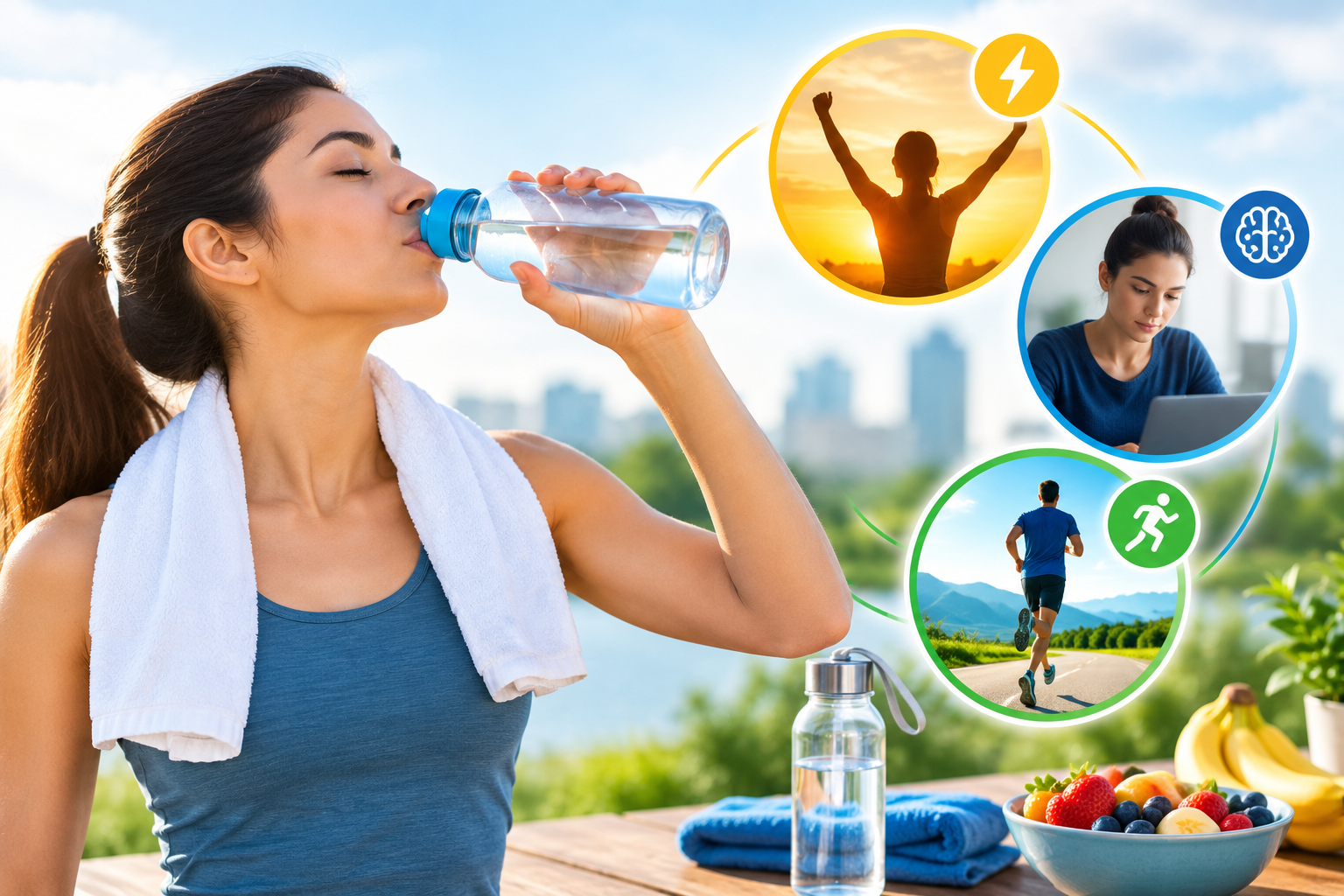
Water is essential for life, yet hydration is often overlooked in daily routines. Many people focus on eating healthy foods, exercising regularly, and getting enough sleep without realizing that drinking enough water is equally important for maintaining overall health. Hydration affects nearly every system in the body, influencing energy levels, mental focus, physical endurance, temperature regulation, and recovery after exercise.
The human body relies on water to transport nutrients, regulate body temperature, support digestion, remove waste products, and maintain normal cellular functions. Even mild dehydration can affect how a person feels and performs throughout the day. Common signs may include thirst, tiredness, headaches, difficulty concentrating, and reduced exercise tolerance.
Hydration becomes especially important during physical activity, hot weather, and situations that increase fluid loss through sweating. However, drinking water is not only important for athletes or people who exercise regularly. Office workers, students, older adults, and anyone managing a busy schedule can benefit from maintaining healthy hydration habits.
Understanding the connection between hydration, energy, focus, and physical performance can help people make better decisions about their daily routines. It can also prevent common mistakes, such as relying entirely on thirst in challenging conditions or drinking excessive amounts of water in a short period.
This article explores how hydration affects the body, why water is important for physical and mental performance, the signs of dehydration, and practical strategies for staying hydrated throughout the day.
1. Why Hydration Is Essential for the Human Body
Water makes up a substantial proportion of the human body, although the exact amount varies according to age, body composition, and other individual factors. It is present inside cells, in the bloodstream, and in the spaces between tissues.
Because water participates in many biological processes, maintaining an appropriate fluid balance is essential for normal functioning.
Supports Essential Body Functions
Water helps transport nutrients and oxygen through the bloodstream. It also supports digestion, helps the kidneys remove waste products through urine, and contributes to maintaining normal blood volume.
In addition, water lubricates joints, protects sensitive tissues, and helps regulate body temperature.
When fluid intake does not adequately replace fluid losses, the body must adjust to the reduced availability of water. Depending on the degree of dehydration, these adjustments can affect physical comfort, mental alertness, and exercise performance.
Maintains Fluid and Electrolyte Balance
Water works alongside electrolytes such as sodium, potassium, and chloride. These minerals help regulate fluid distribution, support nerve signaling, and enable normal muscle contractions.
Sweating causes the body to lose both water and electrolytes, although the amount of each varies considerably between individuals.
For everyday activities, drinking water and eating regular balanced meals are generally sufficient to maintain hydration for most healthy people. During prolonged, intense exercise or heavy sweating, replacing electrolytes may also become important.
The goal is to maintain an appropriate balance rather than simply consuming as much water as possible.
2. How Hydration Affects Energy Levels
Feeling tired during the day is often attributed to poor sleep, stress, or an unhealthy diet. However, inadequate fluid intake can also contribute to fatigue.
Water does not provide calories like carbohydrates, fats, and proteins. Instead, it supports the processes that allow the body to use energy efficiently.
Dehydration Can Increase Fatigue
When the body loses more fluid than it replaces, blood volume can decrease. This may make it more difficult to maintain normal circulation, particularly during exercise or in hot conditions.
The body must respond to these changes, and physical activities may begin to feel more demanding.
People experiencing mild dehydration may notice that they feel unusually tired, less motivated, or less capable of sustaining their usual level of activity.
These effects can become more noticeable when dehydration occurs alongside heat exposure, insufficient food intake, or inadequate sleep.
Hydration Supports Daily Productivity
Maintaining adequate hydration can help people feel more comfortable and alert during everyday activities.
For example, someone working in an office may experience headaches or tiredness after spending several hours without drinking fluids. A student may find it harder to remain comfortable during a long study session, while someone performing physical work may struggle more in warm environments.
Although drinking water cannot eliminate every cause of fatigue, correcting inadequate fluid intake may help when dehydration is contributing to the problem.
Does Drinking More Water Increase Energy?
Drinking water can help restore normal hydration when a person has not consumed enough fluids. However, drinking additional water beyond the body’s needs does not automatically increase energy.
Persistent fatigue may be associated with insufficient sleep, anemia, nutritional deficiencies, thyroid problems, stress, or other medical conditions.
If tiredness continues despite adequate hydration and rest, consider seeking medical advice rather than assuming that drinking more water will solve the problem.
3. The Connection Between Hydration and Mental Focus
Mental performance depends on several factors, including sleep, nutrition, stress management, and physical health. Hydration is another important factor because the brain relies on a stable internal environment to function properly.
Even relatively small fluid deficits may affect how some people feel and perform, although the size and consistency of these effects vary.
Hydration and Concentration
Concentration involves maintaining attention, processing information, and ignoring distractions.
Some research suggests that dehydration can negatively affect aspects of attention and cognitive performance, particularly when fluid loss becomes more substantial or occurs alongside heat stress.
People who are inadequately hydrated may experience difficulty concentrating, reduced alertness, or a greater sense of mental effort during demanding tasks.
For students, this may make long study sessions feel more difficult. For professionals, it may interfere with tasks that require sustained attention.
However, hydration is only one influence on concentration. Sleep deprivation, stress, illness, and environmental distractions can also affect mental performance.
Hydration and Memory
The relationship between hydration and memory is complex. Some studies have found associations between dehydration and changes in certain cognitive tasks, while others have reported smaller or inconsistent effects.
There is no guarantee that drinking extra water will improve memory in someone who is already adequately hydrated.
Nevertheless, avoiding dehydration is a sensible way to support normal brain function and overall well-being.
Hydration and Mood
Inadequate hydration may be associated with irritability, headaches, and changes in mood. Feeling physically uncomfortable can also make it harder to remain patient and engaged with demanding tasks.
Maintaining regular fluid intake may help prevent some dehydration-related discomfort.
For people who spend long periods studying, working, or using digital devices, taking occasional breaks to drink water can be a useful part of a broader routine that includes movement and adequate rest.
4. How Hydration Influences Physical Performance
Hydration is particularly important during exercise because physical activity increases heat production and often increases fluid loss through sweating.
The effect of dehydration on performance depends on several factors, including exercise intensity, duration, temperature, humidity, and individual physiology.
Supports Endurance
Endurance activities such as running, cycling, swimming, and hiking require the body to sustain effort over an extended period.
When fluid losses become substantial, maintaining circulation and regulating body temperature can become more difficult. Heart rate may rise, and the same exercise intensity may feel harder than usual.
As a result, dehydration can reduce endurance and increase perceived exertion, especially during prolonged activity in hot conditions.
Starting exercise adequately hydrated and replacing fluids during extended sessions can help support performance.
Helps Maintain Muscle Function
Muscle contraction depends on the coordinated activity of nerves, muscle fibers, and electrolytes.
Water supports the fluid balance required for these processes. Significant fluid and electrolyte losses can contribute to weakness, reduced exercise tolerance, and other symptoms.
Muscle cramps, however, have multiple possible causes and should not automatically be attributed to dehydration. Fatigue, exercise intensity, muscle conditioning, and other factors may also contribute.
Maintaining appropriate hydration is one component of supporting normal muscle function, but it is not a guaranteed way to prevent every cramp.
Supports Strength and Power
Resistance training, weightlifting, and high-intensity workouts place demands on the muscles and cardiovascular system.
Dehydration can increase the difficulty of exercise and may impair performance, particularly when fluid loss is significant.
Some people may notice reduced training quality, earlier fatigue, or difficulty maintaining their usual workout intensity.
For most ordinary strength-training sessions, drinking water before and during exercise as needed is generally sufficient. More specialized hydration strategies may be appropriate for prolonged training, high temperatures, or heavy sweating.
Improves Exercise Comfort
Appropriate hydration helps the body regulate temperature and maintain circulation during physical activity.
When fluid intake is insufficient, exercise may feel more uncomfortable, especially in hot or humid weather.
Drinking fluids at suitable intervals can help reduce the risk of dehydration-related performance problems. However, hydration alone cannot eliminate the dangers of exercising in extreme heat.
Rest breaks, suitable clothing, gradual acclimatization to hot weather, and avoiding strenuous activity during the hottest part of the day may also be important.
5. Hydration and Body Temperature Regulation
The body continuously produces heat through normal metabolism. During exercise, heat production increases, making temperature regulation especially important.
Sweating is one of the body’s main cooling mechanisms. As sweat evaporates from the skin, it removes heat and helps prevent body temperature from rising excessively.
However, sweating also causes fluid loss.
If these losses are not adequately replaced, the body may have greater difficulty maintaining circulation and managing heat stress.
Why Hot Weather Increases Fluid Needs
Hot weather, high humidity, and intense physical activity can increase sweating and fluid requirements.
People working outdoors, exercising in warm environments, or spending long periods in poorly ventilated spaces may be particularly vulnerable to dehydration.
Humidity can make cooling through sweat evaporation less effective, even when a person is sweating heavily.
In these conditions, it is important to take regular breaks, drink appropriate amounts of fluid, and pay attention to warning signs such as dizziness, unusual weakness, nausea, or headache.
Confusion, collapse, or altered consciousness during heat exposure can indicate a medical emergency. Seek emergency medical assistance rather than attempting to manage severe symptoms by simply drinking water.
6. Common Signs of Dehydration
Dehydration occurs when the body loses more water than it takes in. It can develop gradually throughout the day or more quickly during intense exercise, illness, or heat exposure.
Recognizing early symptoms can help people respond before fluid loss becomes more serious.
Common signs include:
- Increased thirst.
- Dry mouth or lips.
- Darker-than-usual urine.
- Passing urine less frequently than usual.
- Headaches.
- Tiredness or reduced energy.
- Dizziness or lightheadedness.
- Reduced exercise tolerance.
- Difficulty concentrating.
These symptoms are not specific to dehydration, and their severity varies.
For example, urine color can provide a rough indication of hydration status, but it is affected by certain foods, vitamins, medicines, and medical conditions. Pale yellow urine is often consistent with adequate hydration for many people, but it is not a perfect measure.
Signs That Require Medical Attention
Severe dehydration can become dangerous.
Warning signs may include confusion, fainting, a rapid heartbeat, very little urine, extreme weakness, or an inability to keep fluids down.
Seek urgent medical care if severe symptoms develop, particularly in older adults, young children, or people who are ill.
People experiencing vomiting or diarrhea may lose both water and electrolytes. Oral rehydration solutions can be useful in these situations because they contain a specific balance of water, salts, and glucose. Follow appropriate medical advice, especially when symptoms are severe or persistent.
7. How Much Water Should You Drink Every Day?
There is no single amount of water that is ideal for every person. Fluid requirements vary according to body size, age, activity level, climate, diet, pregnancy, breastfeeding, and health conditions.
A person working in an air-conditioned office may need less fluid than someone performing outdoor labor in hot weather.
General Fluid Recommendations
The U.S. National Academies has published general daily adequate intake estimates for total water of approximately:
- 3.7 liters per day for adult men.
- 2.7 liters per day for adult women.
These estimates include water from all beverages and food, not just plain drinking water. They are population-level reference values, not mandatory targets for every individual.
Foods such as fruits, vegetables, soups, and yogurt also contribute to total fluid intake.
People living in hot climates or participating in prolonged physical activity may need more fluids, depending on their losses.
Those with certain heart, kidney, or liver conditions may have specific fluid restrictions and should follow their healthcare professional’s recommendations instead of general hydration advice.
Should You Drink Water Only When You Feel Thirsty?
Thirst is an important signal that the body needs fluids, and it works reasonably well for many healthy adults in everyday conditions.
However, thirst may not always be a reliable guide in every situation. Older adults may experience a reduced sensation of thirst, while athletes and outdoor workers may lose fluids quickly during strenuous activity.
In such circumstances, planned drinking opportunities can be helpful.
Rather than forcing yourself to consume a fixed amount regardless of need, consider your activity level, environmental conditions, thirst, and individual medical circumstances.
8. Best Ways to Stay Hydrated Throughout the Day
Maintaining healthy hydration does not need to be complicated. Small, consistent habits can make it easier to meet your body’s fluid needs.
Start Your Morning With Water
After sleeping for several hours without drinking, having a glass of water in the morning is a simple way to begin your daily fluid intake.
There is no need to drink excessive amounts immediately after waking. A comfortable serving is generally sufficient for most people.
Keep Water Accessible
Keeping a reusable water bottle at your desk, in your bag, or near your workspace can remind you to drink regularly.
This is especially helpful for people who become absorbed in work or studying and forget to take breaks.
Drink With Meals
Having water with breakfast, lunch, and dinner can help establish a consistent routine.
Water is also a useful alternative to sugar-sweetened beverages, which can contribute excess calories and added sugar to the diet.
Eat Water-Rich Foods
Many foods contribute to daily fluid intake.
Examples include:
- Watermelon.
- Cucumber.
- Oranges.
- Strawberries.
- Tomatoes.
- Lettuce.
- Soups and broths.
These foods also provide useful nutrients and can form part of a balanced eating pattern.
Increase Fluid Intake During Exercise
Drink before exercise if you are thirsty, and take opportunities to drink during prolonged or intense activity.
For shorter, moderate workouts, drinking water according to thirst is often sufficient.
During extended exercise, heavy sweating, or activity in hot conditions, a more deliberate hydration plan may be useful.
Monitor Your Hydration Habits
Pay attention to thirst, changes in urine output, the conditions in which you are active, and how you feel.
Athletes who regularly train for long periods may benefit from estimating sweat losses under different conditions. However, such measurements are not necessary for most people performing routine daily activities.
The objective is to replace appropriate fluid losses without overdrinking.
9. Is Water Better Than Sports Drinks?
For most people performing ordinary daily activities, plain water is an excellent hydration choice.
Sports drinks generally contain water, electrolytes, and carbohydrates. They may be useful during prolonged, vigorous exercise when substantial sweating and energy expenditure occur.
The carbohydrates in these drinks can supply energy, while sodium helps replace some of the electrolytes lost through sweat.
However, sports drinks may contain considerable added sugar and are usually unnecessary for short workouts or sedentary activities.
For longer exercise sessions, the choice between water and a sports drink depends on duration, intensity, temperature, sweat losses, and nutritional needs.
People exercising for extended periods in hot conditions may benefit from individualized advice from a qualified sports dietitian or healthcare professional.
Energy drinks are different from sports drinks. They often contain caffeine and other stimulants, and they should not be relied upon as a primary hydration strategy.
10. Can You Drink Too Much Water?
Although dehydration is a concern, drinking excessive amounts of water can also be dangerous.
Consuming large quantities of water more quickly than the kidneys can eliminate may dilute sodium in the blood, causing a condition known as hyponatremia.
Symptoms can include nausea, headache, confusion, and, in severe cases, seizures or loss of consciousness.
This risk is particularly relevant during prolonged endurance exercise when people drink excessive amounts of fluid without adequately accounting for their losses.
To reduce the risk, avoid forcing yourself to drink unusually large volumes in a short period. During extended exercise, hydration plans should account for individual fluid losses and should not aim to gain weight from excessive drinking.
People with medical conditions affecting fluid or sodium balance should seek individualized guidance.
11. Hydration Tips for Students, Office Workers, and Athletes
Different daily routines create different hydration challenges.
For students: Keep water nearby during study sessions and take short breaks between extended periods of concentration. Adequate sleep and regular meals are also essential for learning and attention.
For office workers: Drink water throughout the day, especially when working in air-conditioned environments where thirst may be less noticeable. Stand up and move regularly rather than sitting continuously for hours.
For athletes: Begin exercise in a well-hydrated state, consider fluid needs during prolonged training, and replace losses afterward. Electrolytes may be useful when sweating is substantial.
For outdoor workers: Pay attention to heat exposure, take appropriate rest breaks, and drink fluids regularly. Employers should provide access to water, shade, and suitable heat-safety measures.
For older adults: Establish regular drinking routines because thirst may become less noticeable with age. People who have been prescribed fluid restrictions should follow their healthcare professional’s advice.
These practical adjustments can help people maintain hydration while accommodating different lifestyles and activity levels.
Conclusion
Hydration plays an important role in maintaining energy, focus, and physical performance. Water supports circulation, temperature regulation, nutrient transport, digestion, and other essential bodily processes. When fluid losses are not adequately replaced, people may experience fatigue, headaches, reduced concentration, and lower exercise tolerance.
Maintaining adequate hydration can help support normal physical and mental functioning, particularly during exercise, hot weather, and demanding daily routines.
The best approach is to drink fluids regularly, include water-rich foods in your diet, adjust intake to activity and environmental conditions, and recognize the warning signs of dehydration. Water is usually sufficient for everyday hydration, while electrolytes may be useful in selected situations involving prolonged exercise or substantial fluid losses.
It is equally important to avoid excessive water consumption, which can disturb the body’s sodium balance.
Ultimately, healthy hydration is not about drinking as much water as possible. It is about supplying the body with the fluids it needs, when it needs them, while taking individual health conditions into account.
Disclaimer: This article is intended for educational and informational purposes only and should not be considered a substitute for professional medical advice, diagnosis, or treatment. Individual fluid requirements vary depending on activity level, climate, age, and health conditions. Consult a qualified healthcare professional if you have persistent symptoms of dehydration or a medical condition that affects fluid balance.